Spain is currently facing its worst flooding disaster in decades, with the death toll reaching 158 as ongoing rescue efforts continue amid challenging conditions.
This Thursday, over 1,200 rescue workers supported by drones were mobilized as rain continued to pose threats in various regions. Prime Minister Pedro Sánchez, after visiting the devastated areas, emphasized, “Right now, the most important thing is to save as many lives as possible.”
In towns severely affected by Tuesday’s floods, the grim task of body recovery continues. Valencia reported the highest number of fatalities at 155, with additional deaths recorded in Castilla-La Mancha and Andalusia, including a British man.
Paiporta, a town in Valencia, saw significant destruction when a river overflowed, leading to at least 40 confirmed deaths. Local pharmacist Miguel Guerrilla remarked, “We all know someone who has died. It’s a nightmare.”
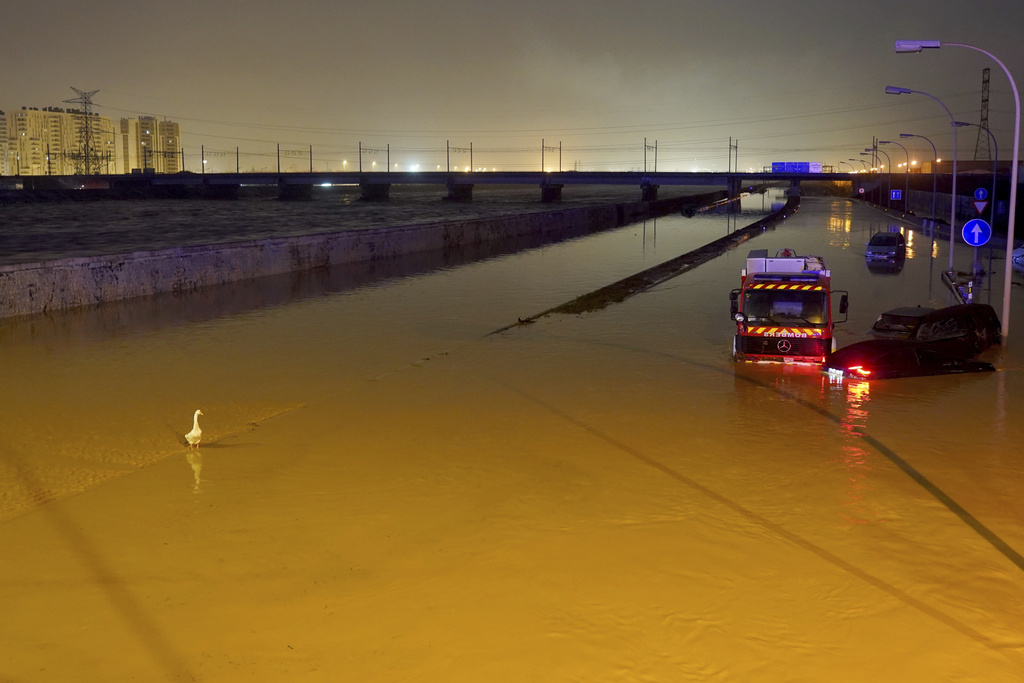
Rescue scenes on Thursday included undertakers and funeral vans retrieving bodies, while debris-laden streets displayed the sheer force of the storm, with cars piled atop one another.
The horror of the flood was palpable as survivors recounted their escape from rapidly rising waters, with many forced to find refuge atop trees and bridges.
Officials have yet to confirm the full extent of the missing persons, although the number of fatalities rose significantly by about 60 on Thursday alone.
Wednesday alone saw over 90 deaths in the immediate aftermath of the catastrophic rains and flash floods that affected not only Valencia but also regions like Castilla-La Mancha in Andalusia, reaching as far as Malaga.
Chiva, a nearby town, received a year’s worth of rain in just eight hours, as reported by the Spanish meteorological agency Aemet. Further rain warnings have prompted cautions from authorities, including King Felipe VI and PM Sánchez, who urged people to seek safety.
Amidst the crisis, hundreds in affected zones have taken refuge in temporary shelters, starting the prolonged recovery process.
Public transport remains disrupted, with many roads and the railway linking Valencia to other parts of Spain still inoperable.
Spain has declared three days of national mourning, with flags at half-mast on government buildings and moments of silence being observed.
Public frustration is growing over perceived inadequacies in the country’s disaster preparedness and response, especially concerning the timeliness of warnings about flood risks.
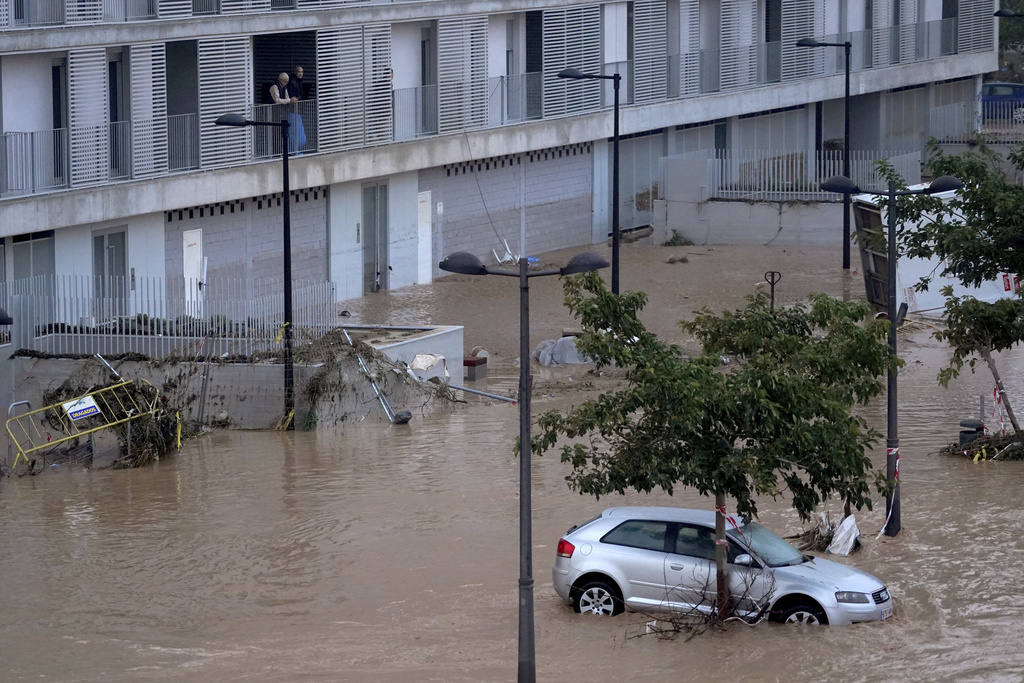
Authorities describe the floods as unprecedented, attributing them in part to the ‘gota fria,’ a weather phenomenon that brings severe rainfall when cold air meets warmer Mediterranean waters.
Scientists have linked the intensity of these rainfalls to climate change, with global temperatures contributing to heavier rain-carrying clouds.
Dr. Friederike Otto from Imperial College London notes, “No doubt about it, these explosive downpours were intensified by climate change.”
This flooding marks Spain’s deadliest since 1973, underscoring the urgent need for effective climate action and disaster management strategies.